
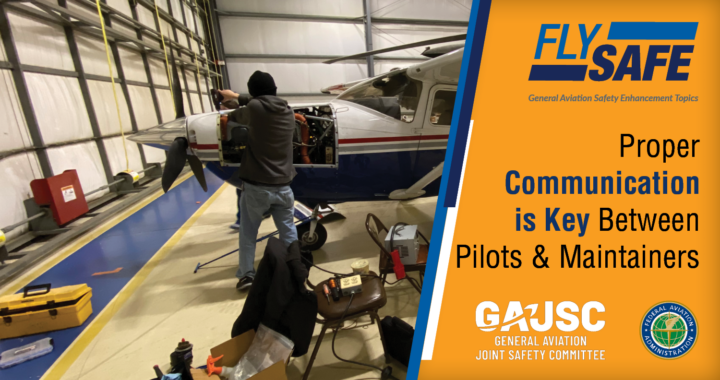
The safety and airworthiness of an aircraft are paramount in aviation. While certificated mechanics and inspectors play a critical role in maintaining aircraft, the ultimate responsibility for airworthiness rests with the aircraft owner or operator. This article highlights the importance of proper communication between aircraft owners and mechanics and emphasizes the critical role of proper record-keeping.
Owner and Mechanic Responsibilities
Aircraft owners and operators often rely heavily on mechanics for maintenance and inspections, yet many are unaware of their own responsibilities regarding airworthiness. Per 14 CFR section 91.403(a), the owner/operator is ultimately responsible for an aircraft’s airworthiness. This responsibility requires owners to familiarize themselves with maintenance regulations to ensure their aircraft’s safety.
Mechanics, on the other hand, must adhere to performance rules outlined in 14 CFR sections 43.13 and 43.15 when performing maintenance or inspections. While these regulations provide a solid baseline, professional mechanics often exceed these standards by maintaining a high level of attention to detail and adhering to best practices.
Effective Communication
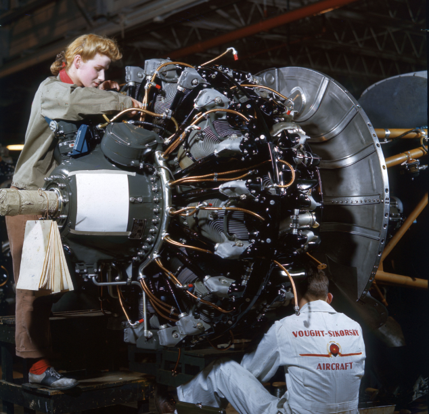
Some owners are not familiar with the intricacies of aircraft maintenance, having received limited information about owning or maintaining an aircraft. As a result, open and effective communication is essential. Mechanics and aircraft owners should maintain open communication about maintenance procedures, airworthiness requirements, and the services performed, with owners encouraged to ask questions and stay actively engaged in the care of their aircraft.
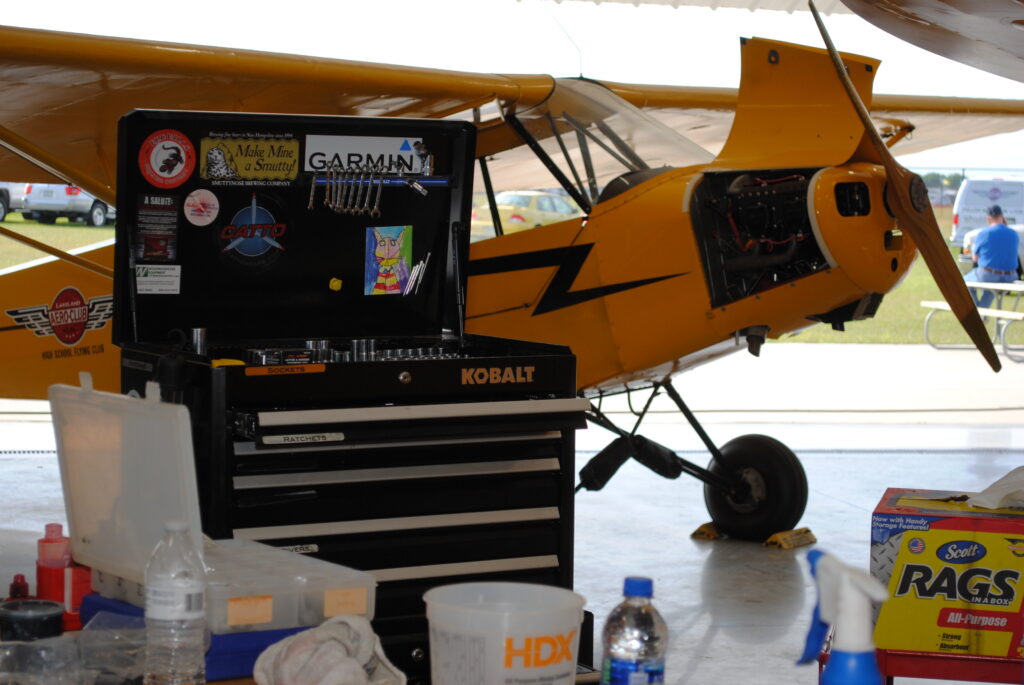
Owners should carefully evaluate maintenance facilities by considering several factors, including the general cleanliness and organization of the shop, lighting conditions, adequacy of tools and equipment, proper storage of parts and materials, and the use of current, approved, and relevant maintenance data. While a clean and well-organized facility can be a positive indicator of professionalism and attention to detail, it should be considered along with the quality of workmanship, regulatory compliance, communication, documentation, and the maintainer’s demonstrated commitment to airworthiness and safety.
 Importance of Record-Keeping
Proper record-keeping is a fundamental aspect of ensuring airworthiness. Maintenance records serve as a vital source of information, documenting all work performed on the aircraft. After maintenance, logbooks must include:
- A detailed description of the work performed.
- The completion date of the work.
- The name, signature, certificate number, and type of certificate held by the person approving the work.
Mechanics must also document compliance with Airworthiness Directives (ADs), listing details such as the AD number, revision date, method of compliance, and the date of completion. Recurring ADs are documented in the same way, but the time in service or date of the next required action must be included.
Proper documentation ensures transparency and aids in tracking the aircraft’s maintenance history, which is crucial for safety and regulatory compliance.

Conclusion
In summary, the safety and airworthiness of an aircraft depend on effective communication between owners and mechanics, as well as proper maintenance documentation. Owners should take an active role in understanding their responsibilities and selecting maintenance personnel and facilities that have the qualifications, tools, equipment, and practices needed to support safe and compliant aircraft maintenance. By fostering open communication and maintaining comprehensive records, aircraft owners and mechanics can work together to better ensure aircraft safety and airworthiness.
Additional Resources
- “Beware of Bargain-Priced Aviation Maintenance Services,” GAJSC FlySafe Topic, May 2023
- FAA Safety Team Course ALC-1457, Pilot-Mechanic Checks and Balances
- 14 CFR section 43.15, Additional performance rules for inspections
- Appendix D to 14 CFR Part 43 — Scope and Detail of Items to be Included in Annual and 100-Hour Inspections