|
|
|
Vol. 3, No. 2 Spring 2026
|
|
|
|
|
|
Welcome to the latest edition of the General Aviation Joint Safety Committee's (GAJSC) quarterly newsletter, the FlySafe Flyer! This newsletter is intended to keep you apprised of GAJSC-related news and updates, as well as relevant safety information that impacts the general aviation community. The FlySafe Flyer also aims to convey the GAJSC's purpose and collaborative role in advancing aviation safety. We encourage you to read and share this content with your fellow airmen. Please copy the link here to share. For a list of previous newsletters, go to gajsc.org/newsletter.
|
|
|
|
|
|
75 Years of Safety Innovation and What Lies Ahead
|
A Welcome Message from Mike Ginter, Senior Vice President of the AOPA Air Safety Institute and GAJSC Co-Chair
|
|
|
|
On November 10, 1950, the AOPA Trustees created a “Foundation” to focus on general aviation safety. This Foundation was led by AOPA president Joseph “Doc” Hartranft and immediately set to work to reduce the number of VFR to IMC accidents – which was the toughest safety challenge facing GA in the early 1950’s. Over the last 75 years, the AOPA Foundation went through two name changes (it is the AOPA Air Safety Institute today). This part of AOPA has delivered many innovative safety improvements over the decades and has been led by aviation legends like Don Engen, Bruce Landsberg, and Richard McSpadden. It’s appropriate to consider some of the truly remarkable innovations introduced by the Air Safety Institute to fully appreciate the opportunities and challenges that lie ahead.
|
In the 1950’s, half of GA accidents were caused by VFR entry into IMC conditions, so the Air Safety Institute created the 180-degree rating course. This program lasted 40 years and grew into the 360-degree rating course which included four hours each of ground and flight instruction.
|
In the 1960’s, ASI delivered the first ever Pinch Hitter Course, led by staff instructor Hal Shevers (who went on to create Sporty’s Pilot Shop). By 1966, over 4,000 had completed the course and half of them went on to start flight training. Today, many companies offer Pinch Hitter courses. AOPA also introduced weekend Flight Training Clinics coast to coast and by the 1980’s they had served over 100,000 pilots.
|
In the 1970’s, the Air Safety Institute was the prime mover in establishing the first and only television program that provided aviation weather. “AM Weather” remained on PBS until the 1990’s when it was canceled to make room for Bloomberg News.
|
In the early 2000’s, ASI launched interactive courseware using Adobe Flash (available on DVD and online) starting with “Single Pilot IFR.” This innovation started the trend of online aviation safety courseware, which is now produced by countless companies.
|
In 2004, ASI partnered with Jeppesen to launch the first online Flight Instructor Refresher Course (eFIRC). Today there are at least eight companies offering online FIRCs.
|
In 2010, ASI launched its own YouTube Channel dedicated to GA safety content, and since then ASI content has been viewed 58 million times.
|
These innovations, and the collaborative work of other aviation associations and the FAA, have resulted in record setting decline in the GA accident rate. So, what lies ahead?
|
The Air Safety Institute is exploring ways to use big data analytics to deliver predictive safety trends rather than reactive trends based on 2-year-old NTSB investigation data. This initiative is just beginning, and much work remains to be done, but the opportunity to quickly and accurately learn emerging trends is very exciting. Armed with this data-driven safety intelligence, our community of GA safety collaborators could laser-focus safety content creation and measurably reduce the GA accident rate.
|
Stay focused and stay safe!
|
|
Mike Ginter — GAJSC Co-Chair
|
|
|
|
General Aviation Safety Performance Update
|
|
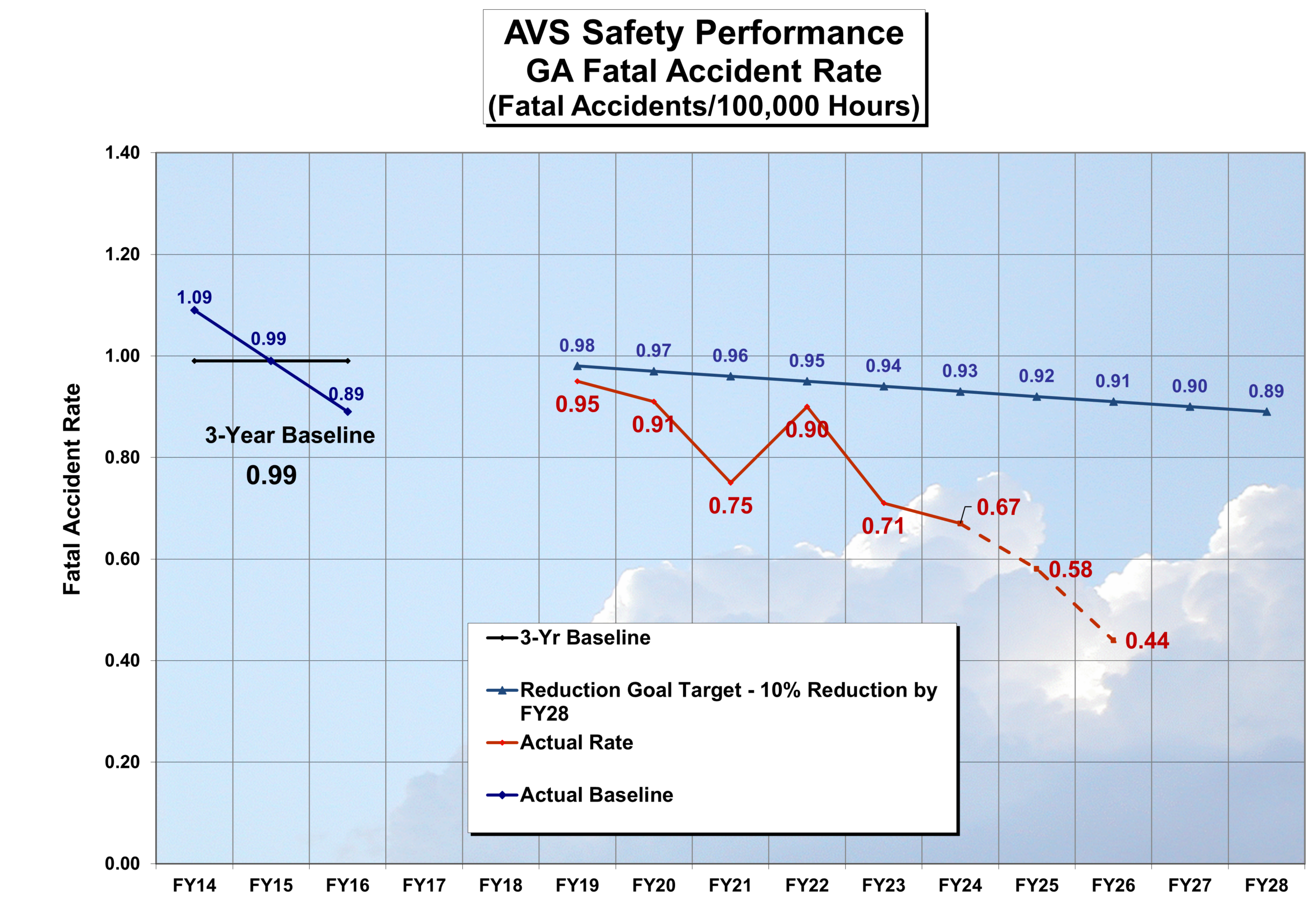
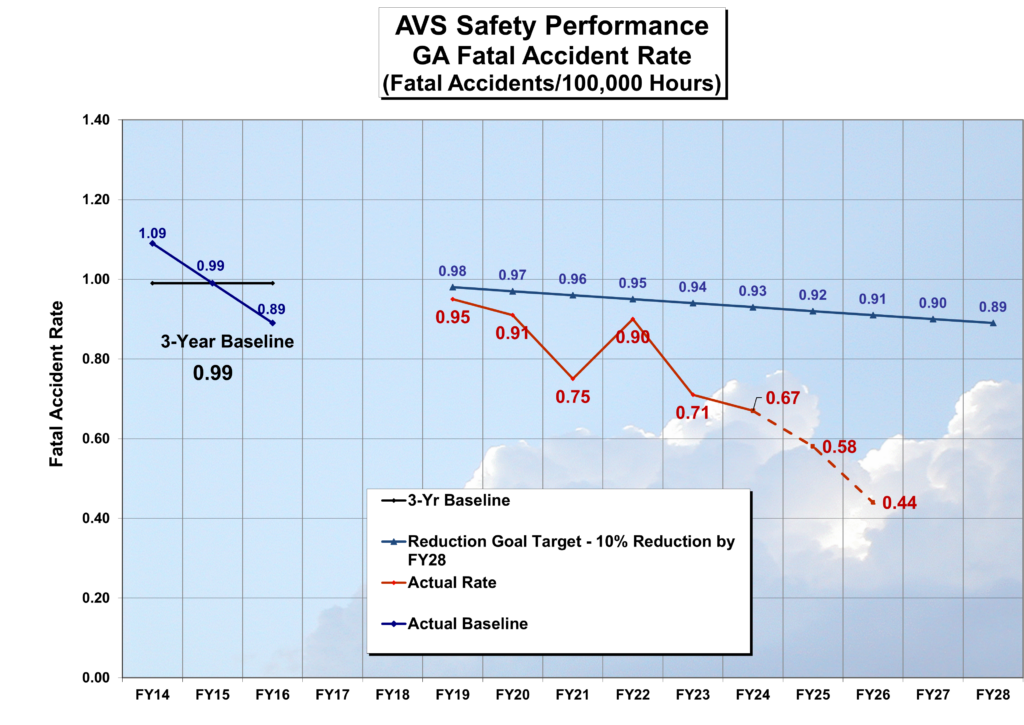
Here's a look at the GA fatal accident rate so far for fiscal year (FY) 2026. As you can see in the chart here, the estimated GA fatal accident rate is at 0.44 accidents per 100,000 flight hours (as of May 05, 2026), well below the yearly target of 0.91. You can also see the total GA fatal accidents broken out by month in FY26 here (as of May 05, 2026).
|
|
For more details, see the Pareto chart on general aviation fatal accidents, which can be customized to display a specific date range of accident data and sort results by aircraft classification, FAR part, operational category, and accident category.
|
|
|
|
|
|
Circle-to-Land Approach Hazards
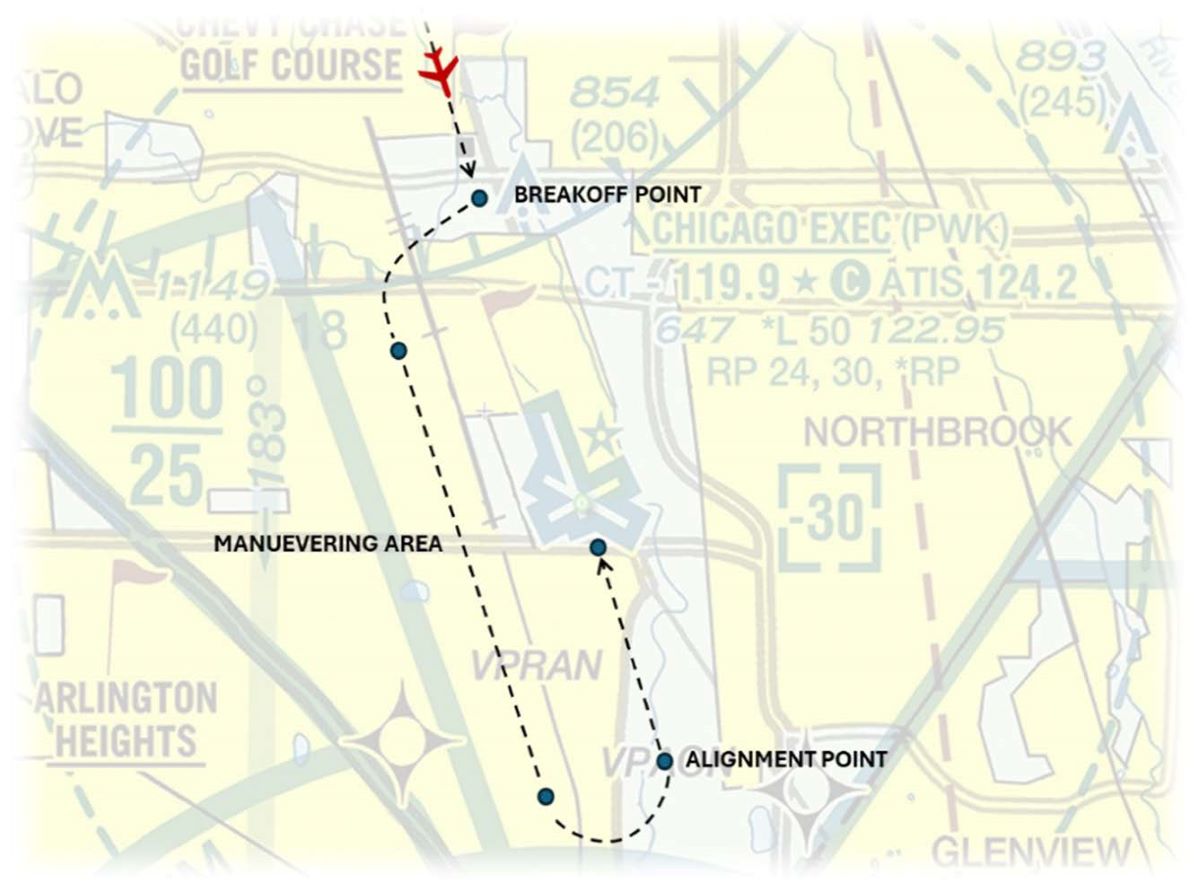
Circling approaches are a necessary part of general aviation operations due to certain airport environments or situations like unfavorable winds. However, circling approaches present an increased risk to GA operations because they require maneuvering at low altitude and low airspeed during the final segment of the approach to landing. This increases the risk of loss of control and terrain collision, both of which are significant contributors to GA fatal accident statistics.
|
|
The Aviation Safety Information and Analysis Sharing (ASIAS) program conducted an analysis of circle-to-land approaches to identify the contributing factors of safety issues experienced by flight crews conducting this maneuver. The outcome of this analysis suggests several areas of interest for flight crews. See the full report here.
|
|
|
|
|
|
New Rotorcraft Collective Video Highlights the Dangers of the Green Dot Syndrome
|
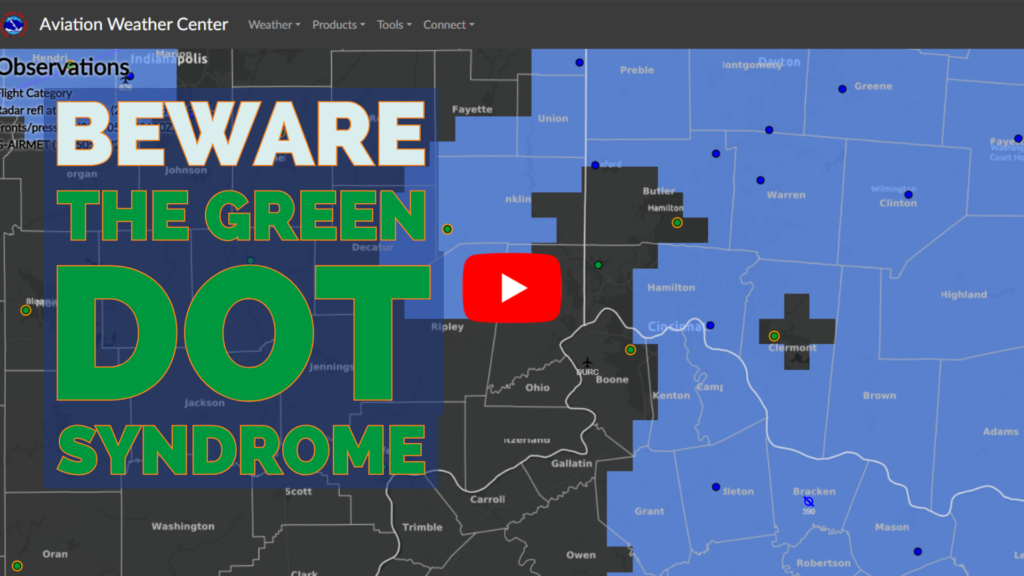
Don’t be fooled by what appears to be an easy VFR flight in the green. Green dots at both the departure and destination do not always mean you are good to go. Matt Johnson, a helicopter air ambulance pilot and designated pilot examiner, helps pilots read between the dots and avoid the "Green Dot Syndrome" in this recent video from the Rotorcraft Collective. You can also view a YouTube Short version.
|
|
|
|
|
|
|
|
How to Report a Safety Issue
Reporting safety issues in aviation is crucial for maintaining the highest standards of safety and preventing accidents. There are several mechanisms available to report safety issues, including NASA's Aviation Safety Reporting System (ASRS), the FAA's Service Difficulty Reporting System (SDR), and the Illegal Air Charter Hotline. Timely reporting of accidents and suspicious activities helps the industry to address equipment malfunctions, procedural lapses, and other safety-related concerns effectively. It also allows authorities to investigate and implement corrective measures promptly. Overall, a robust safety reporting culture fosters continuous improvement and enhances the safety and reliability of aviation operations. Be sure to check out the "Report a Safety Issue" page on the GAJSC here or click the button below.
|
|

|
|
|
|
|
Teterboro Traffic Awareness
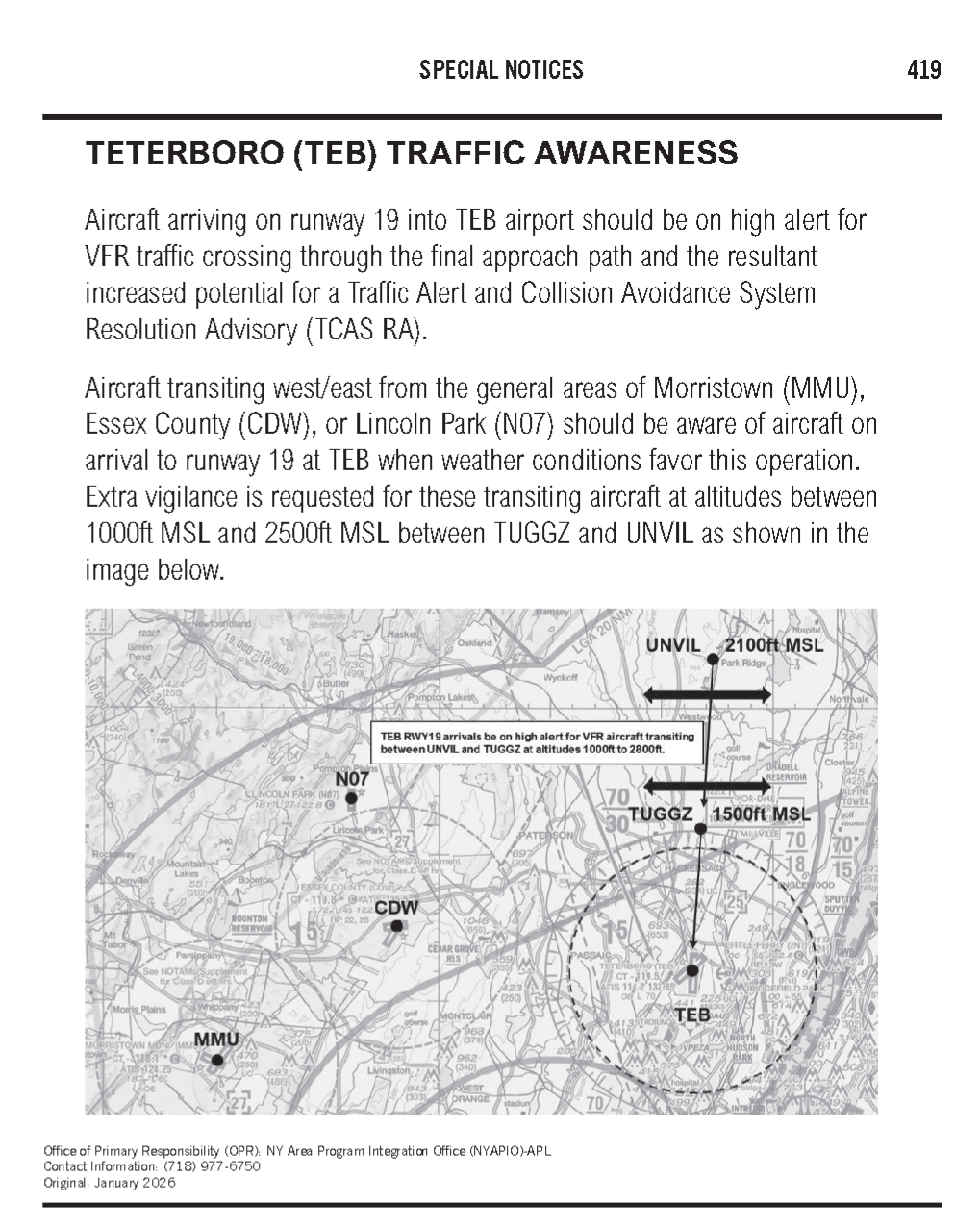
Aircraft arriving on runway 19 into TEB airport should be on high alert for VFR traffic crossing through the final approach path and the resultant increased potential for a Traffic Alert and Collision Avoidance System Resolution Advisory (TCAS RA). Aircraft transiting west/east from the general areas of Morristown (MMU), Essex County (CDW), or Lincoln Park (N07) should be aware of aircraft on arrival to runway 19 at TEB when weather conditions favor this operation. Extra vigilance is requested for these transiting aircraft at altitudes between 1000ft MSL and 2500ft MSL between TUGGZ and UNVIL.
|
|
|
|
|
|
Safety Enhancement Spotlight — Transition Training
The GAJSC analyzes general aviation (GA) safety data to develop intervention strategies to prevent or mitigate problems associated with accident causes, called Safety Enhancements (SE). These SEs may include procedures, training, and equipment installations that, when implemented, may reduce the likelihood of accidents in the future.
|
In this issue of FlySafe Flyer, we'd like to introduce SE 05 - Transition Training.
|
Among the objectives with this SE is to develop web-based tools that will aid in all aspects of transition to unfamiliar aircraft across GA, to include Aeronautical Decision Making (ADM), as well as develop a public education campaign on the importance of transition training.
|
Here are a few good resources that emphasize the importance of this SE:
|
|
Please see the GAJSC SE page here for more information.
|
|
|
|
|
|
GAJSC Member Profile — SAFE
The Society of Aviation and Flight Educators (SAFE) is a member-oriented organization of aviation educators fostering professionalism and excellence in aviation through continuing education, professional standards, and accreditation. Together with industry partners and the FAA, SAFE provides the aviation community with resources to advance the profession and to assist aviation educators in developing skilled, knowledgeable, and safe members of the aviation community.
|
See the SAFE website for more information. See here for a list of all GAJSC partners.
|
|
|
|
|
|
|
|
Thanks for reading and #FlySafe!
|
|
Partners in Aviation Safety
|
|
|
|
|
We need your feedback! Please tell us what you think.
|
|

|
|
|
|