
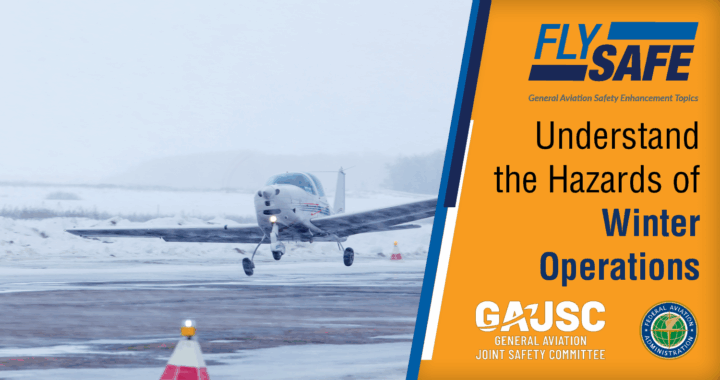
While some pilots may opt to hang up their headsets during the cold winter weather, others embrace the change of season, taking advantage of the uncrowded skies, boosted performance, and winter’s unparalleled natural beauty. If you’re among those in the latter category, be sure to recognize the many risks inherent with winter flying, especially if you are a newcomer in this type of environment. Let’s review some tips and best practices that can help ensure your winter flying is both safe and enjoyable.
Preflight Patience
 One noticeable aspect of winter operations is that everything takes just a little longer. That includes actions taken well before you even arrive at the airport, from choosing the right winter attire (more on that later), to ensuring your car is free of ice and snow and is safe to drive. Even the drive to the airport can take longer than usual, so be sure to budget extra time.
Properly pre-flighting your plane during icy cold conditions may not always be comfortable or convenient, but it is certainly critical. While you might feel the urge to expedite your checks and get warmed up in the aircraft, this is no time for shortcuts.
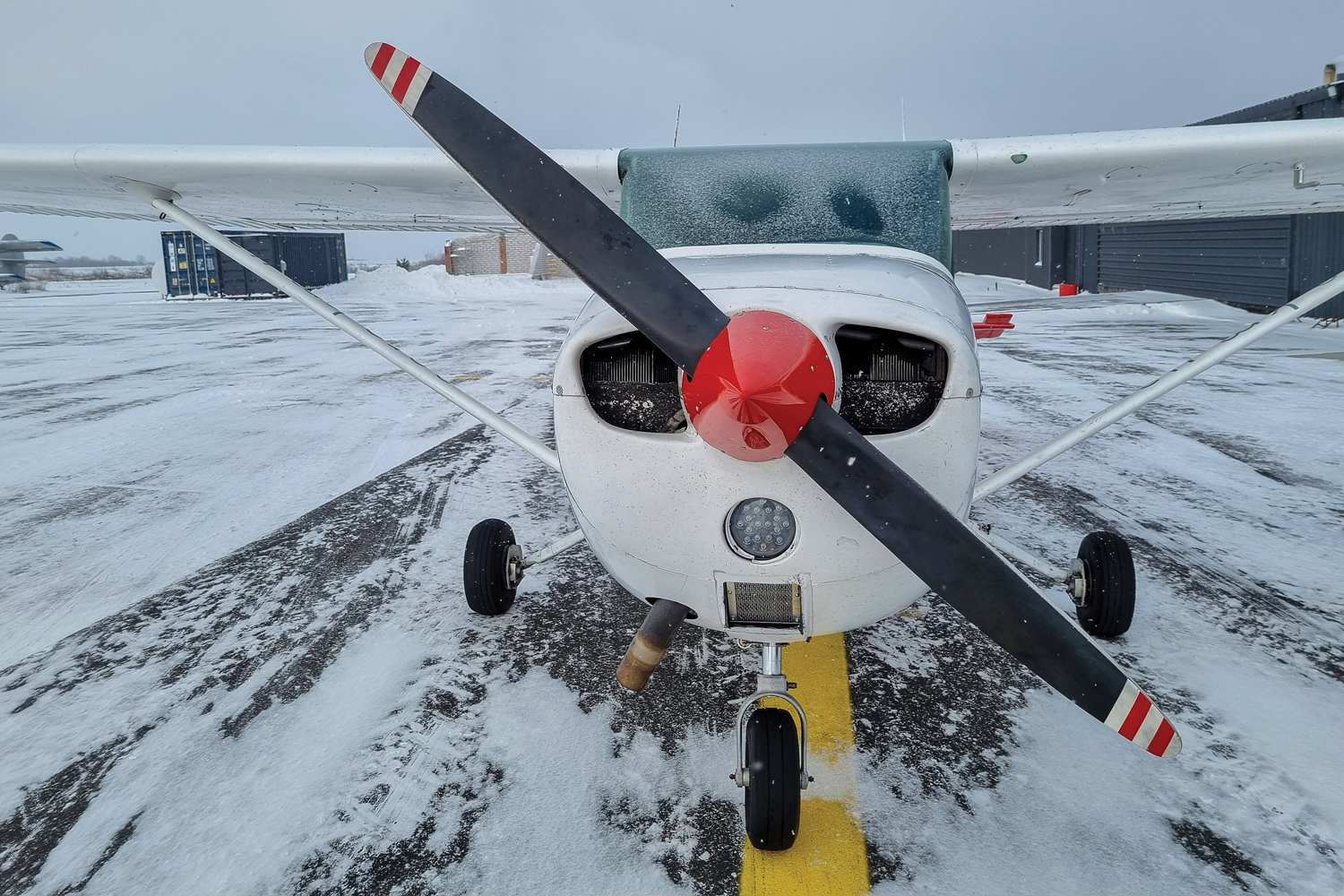
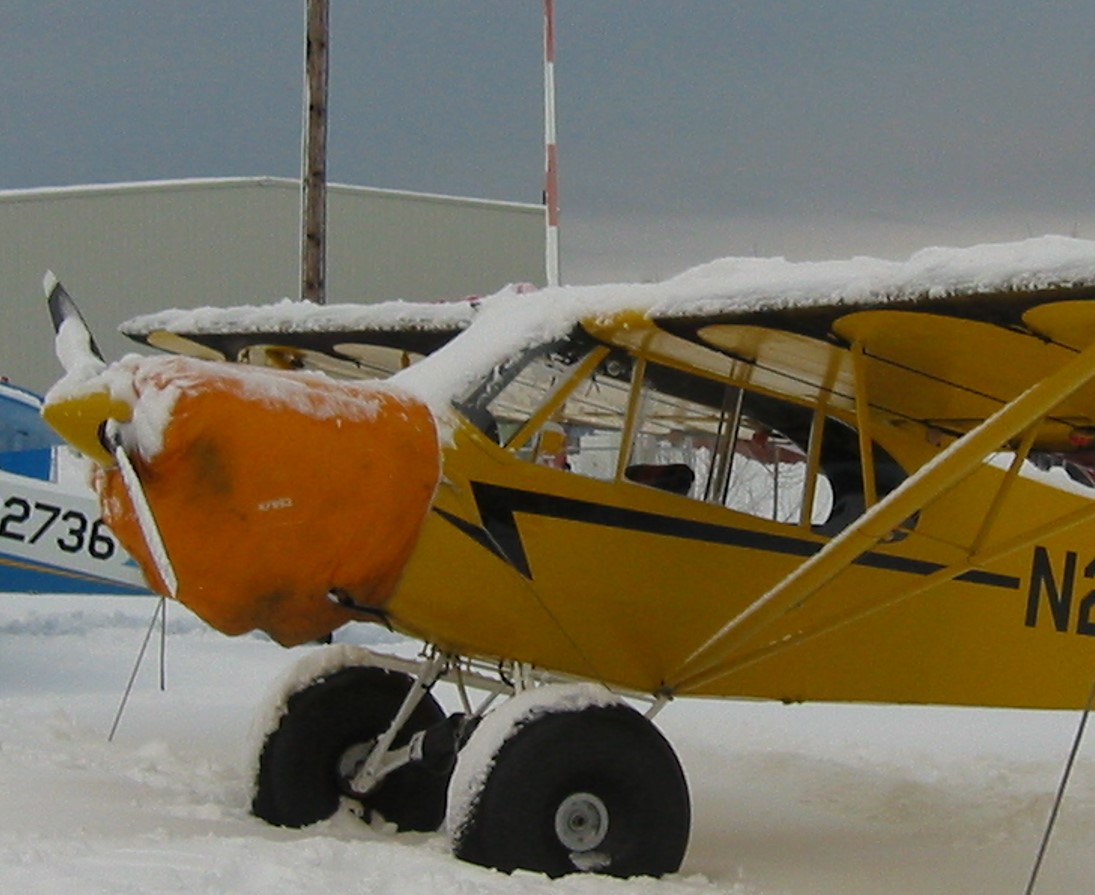
During preflight, ensure the aircraft is free from ice, snow, and frost. Be sure to check all control surfaces for freedom of movement. Sometimes water can freeze in control linkages, landing gear, brakes, and even in prop spinners.
If you can’t collect a fuel sample, it may mean that water in your fuel tank has frozen in and around the fuel drain. You’ll want to ensure that fuel is free to flow, that the tank cap seals are serviceable, and that the vents are unobstructed.
Exhaust system integrity is essential to check at any time of year, but especially in winter when cabin heat is used. A carbon monoxide detector is a good investment in safety. For more on exhaust system safety, check out the FAA Safety Briefing articles “Difficult and Exhausting,” and “Keeping the Cabin Warm and Safe.”
If you need to preheat the engine before starting, be sure to follow your engine manufacturer's recommendations. Even if preheating is not required, allow plenty of time for the engine to come to operating temperature.
Please also follow the manufacturer’s guidance on using the appropriate type of engine oil for your conditions. Multi-viscosity oils are formulated for a wide range of temperatures, and single-viscosity oils should be appropriate for the operational environment's temperature.
Take Your Time Taxiing
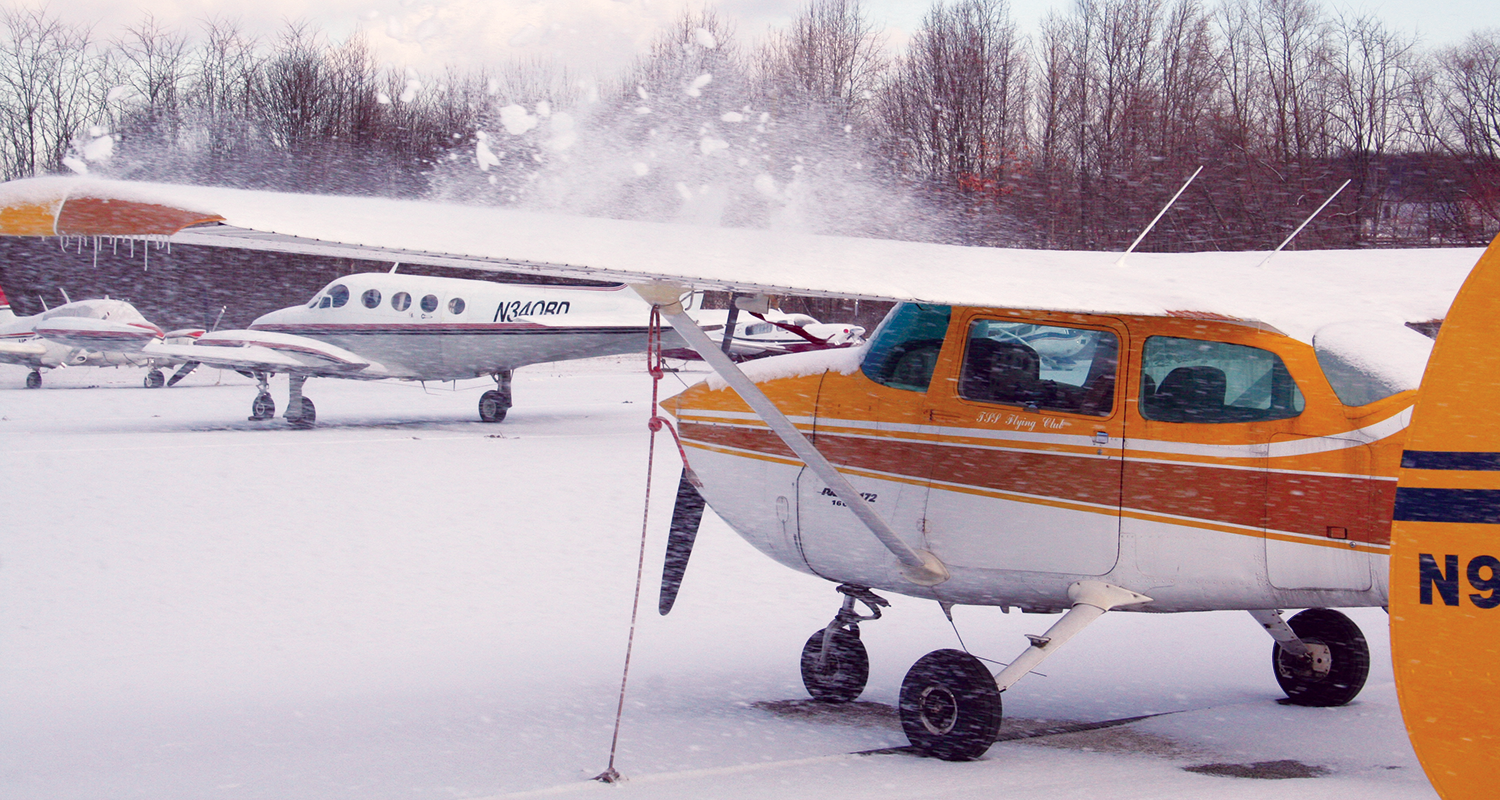 Taxiing in wintry conditions can be challenging, especially when ice, snow, and wind hamper your ability to properly maneuver and stop. The rule here is, take it slow — much slower than taxiing on uncontaminated surfaces. Plan turns and stops well in advance and be prepared for loss of traction. Once the flight controls are effective, winter takeoffs are typically straightforward. However, keep in mind that rejected takeoffs and landings on slippery surfaces can require a lot of runway.
To help steer clear of the safety risks associated with winter surface operations, it’s best to just avoid operating at an airport unless the airport has explicitly reported that taxiways and runways are clear and prepared for taxi, takeoff, and landing.
For more tips and best practices on proper winter surface safety, see “Planes Aren’t Made for Ice Dancing,” in the Nov/Dec 2014 issue of FAA Safety Briefing.
I Will Survive
While pilots on any flight should consider having the proper onboard survival gear and equipment, this step may require some additional planning when traversing a more hostile winter environment.
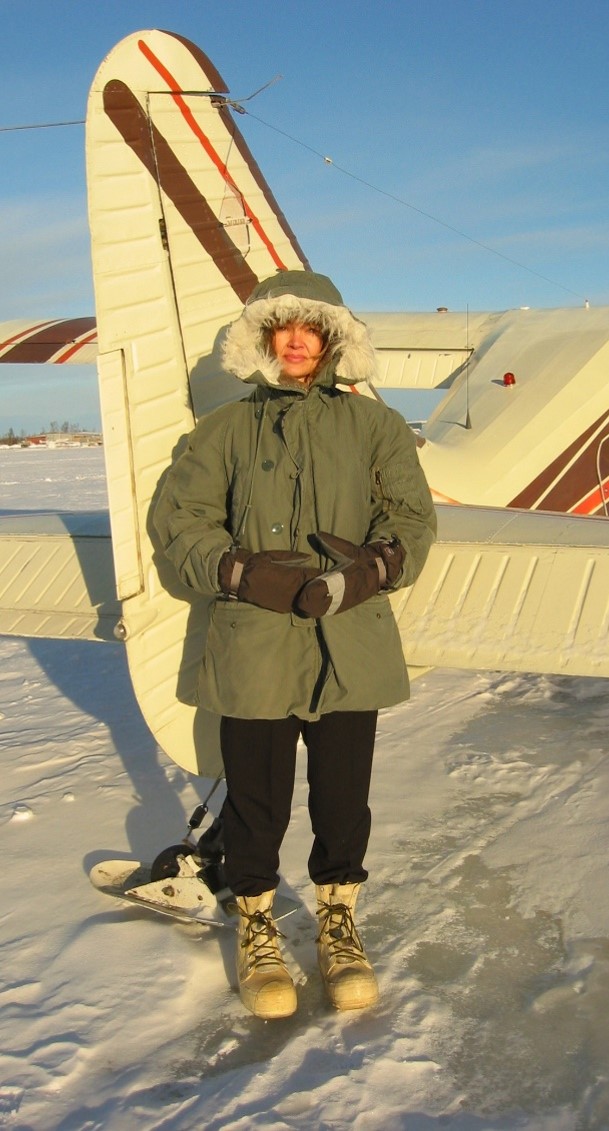 Proper attire is a good starting point. For best results, dress in layers. Wool is great, but synthetics work well too. Insulation creates trapped layers of air that can slow body heat loss. Insulated footwear is a must if you’re going to spend much time in the cold — keeping your feet warm and dry is crucial. As for your hands, mittens are warmer, but it’s easier to work in gloves. Consider bringing a pair of each and keep them in a parka pocket until needed. A wool or synthetic fleece beanie is great as a base layer for your head, but a hood is also a must-have and can be attached to your outer layer parka.
Pilots can choose from a wide variety of waterproof breathable outer-layer garments. Snow pants are a good idea and can fit over your base layer with plenty of pockets.
Speaking of pockets, they too can be an important part of your overall survival strategy. When exiting a downed aircraft, it’s likely your survival gear may be limited to what you’re carrying on your person, with other equipment being inaccessible or out of reach. With that in mind, survival gear for your pockets should include a sturdy pocketknife and/or a multi-purpose tool with a knife blade. Include a headlamp and a compass as well. A survival vest is a good way to easily store survival equipment in dedicated pockets.
For some additional cold hard facts on cold stress prevention and appropriate attire, as well as advice on keeping your survival kit stocked with the right gear, see “Surviving the Season.”
With proper knowledge, equipment, and most importantly, the will to survive, you can spend several winter days relatively comfortably in the field. If you’ve filed a flight plan and you’re on the filed route, folks will be looking for you and, if you’re camped near your aircraft, it will be easier for searchers to spot you.
Learn More
There are many resources that can help you get ready for the unique challenges of winter flying. For example, check out FAA’s winter flying resources page at faa.gov/winter-weather. Here you’ll find quick access to some great winter videos on how to predict icing conditions and the “Winter Weather Challenges” episode of the popular From the Flight Deck series.
There are also links to many winter safety articles, including this one at bit.ly/3sITJQi that offers 14 items you should add to your winter safety list and mentions FAA’s weather camera program, which has locations in many snow-bound areas like Alaska, Colorado, Maine, Montana, and Utah.
The FAA Safety Team (FAASTeam) website at FAASafety.gov is another great resource for winter weather information. Try taking the Inflight Icing online course at bit.ly/ALC-33 to test your knowledge or peruse the Winter Flying Tips brochure at http://bit.ly/45P8Fuw.
While cold-weather operations do have their share of unique risks, don’t let that dissuade you from enjoying the many benefits this type of flying can offer. With the right mix of knowledge, preparation, caution, and good judgment, winter flying can be wonderful.
Additional Winter Operations Resources
- FAA Safety Briefing, Nov/Dec 2023 issue — Winter Flying Safety
- FAA Safety Briefing, Nov/Dec 2014 issue — Winter Operations
- FAA Safety Briefing, Jul/Aug 2013 issue — Be Prepared
- FAA Safety Team Course ALC-658, FAA Enhancing Winter Weather Training
- Basic Survival Training 1-Day Course at CAMI
- Aircrew Survival Videos Playlist on YouTube
- AOPA Emergency Landings webpage
- Video: Predict Icing Conditions in 57 Seconds
- Video: Ground Operations in Icing Conditions (The Rotorcraft Collective)