Fy Safe and Weather

In-flight Weather Resources

The 21st Century has brought an unprecedented wealth of information to general aviation cockpits. Near real-time graphical and textual weather products contribute greatly to pilot situational awareness and decision-making. However, pilots must understand the capabilities and limitations of the equipment and the information it provides. Let’s explore how general aviation pilots can use available weather […]
Continue Reading

Tailwheel Transition

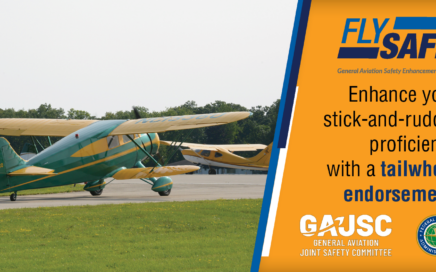
The General Aviation Joint Safety Committee (GAJSC) has long advocated the benefits of proficiency training for certificated pilots. Pilots who want to bring their “A” game to the airport every time they fly know that they need to regularly practice fundamental flying skills. However, maintaining proficiency can also be achieved by learning something new. Receiving […]

Continue Reading

Partnering for GA Safety – video

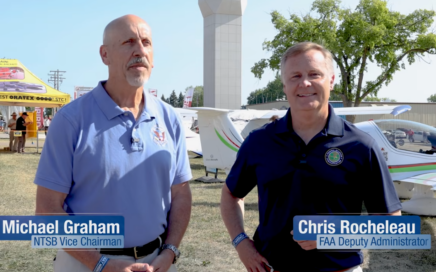
“Safety is a shared responsibility.” At EAA AirVenture, FAA Deputy Administrator Chris Rocheleau and NTSB Vice Chairman Michael Graham discuss how collaboration between government and industry is driving results in general aviation safety. Through the General Aviation Joint Safety Committee (GAJSC), the FAA, NTSB, and industry experts analyze data to target leading risk factors, including […]

Continue Reading
Hindsight Bias graphic

Understanding Hindsight Bias

  The General Aviation Joint Safety Committee (GAJSC) has identified human biases as significant factors in aviation accidents. One such bias, known as hindsight bias, plays a critical role in how pilots interpret past events and learn from others’ mistakes. Understanding this bias is important to improving aviation safety. What is Hindsight Bias? Hindsight bias […]

Continue Reading

Owner/Operator and Mechanic Relations

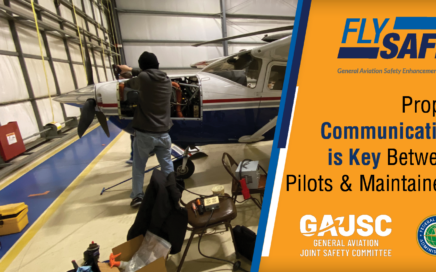
The safety and airworthiness of an aircraft are paramount in aviation. While certificated mechanics and inspectors play a critical role in maintaining aircraft, the ultimate responsibility for airworthiness rests with the aircraft owner or operator. This article highlights the importance of proper communication between aircraft owners and mechanics and emphasizes the critical role of proper […]

Continue Reading

Angle of Attack

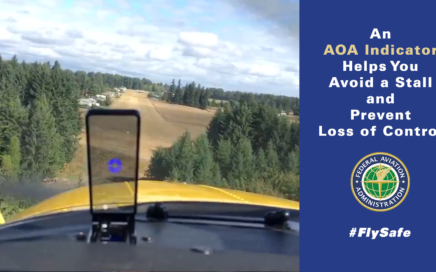
The General Aviation Joint Steering Committee’s (GAJSC) loss of control workgroup believes that a lack of awareness, with respect to angle of attack (AOA), has resulted in the loss of aircraft control and contributed to fatal GA accidents. The GAJSC also maintains that increasing a pilot’s awareness of the aerodynamic effects of AOA and available […]

Continue Reading
16:9 ratio

Circle-to-Land Approach Hazards

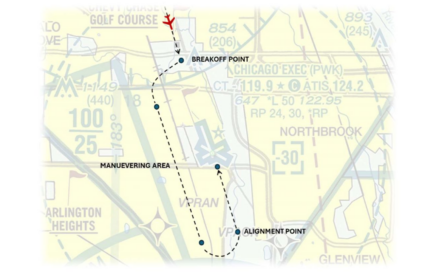
Circling approaches are a necessary part of general aviation operations due to certain airport environments or situations like unfavorable winds. However, circling approaches present an increased risk to general aviation operations because they require maneuvering at low altitude and low airspeed during the final segment of the approach to landing. This increases the risk of […]

Continue Reading

Human Factors and WINGS

We’ve come a long way in general aviation (GA) safety, and we should celebrate our part in attaining and maintaining the lowest GA accident rates ever. To continue that success and further lower the rate, we must explore new methods to enhance safety. This includes conducting human factors research to understand how humans succeed and […]

Continue Reading

Intro to Risk Management

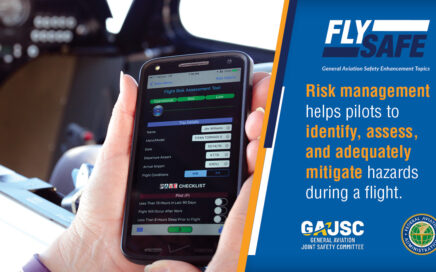
Risk management is a formalized way of dealing with hazards. It is a logical process of evaluation where you weigh the potential costs of a risk against the potential benefits you might receive if you allowed that risk to stand uncontrolled. Learn more by clicking below.

Continue Reading
Winter Operations Fly Safe

Tips and Best Practices for Safe Winter Operations

While some pilots may opt to hang up their headsets during the cold winter weather, others embrace the change of season, taking advantage of the uncrowded skies, boosted performance, and winter’s unparalleled natural beauty. If you’re among those in the latter category, be sure to recognize the many risks inherent with winter flying, especially if […]

Continue Reading