|
|
|
|
|
|
|
|
Welcome to the latest edition of the General Aviation Joint Safety Committee's (GAJSC) quarterly newsletter, the FlySafe Flyer! This newsletter is intended to keep you apprised of GAJSC-related news and updates, as well as relevant safety information that impacts the general aviation community. The FlySafe Flyer also aims to convey the GAJSC's purpose and collaborative role in advancing aviation safety. We encourage you to read and share this content with your fellow airmen. Please copy the link here to share. For a list of previous newsletters, go to gajsc.org/newsletter.
|
|
|
|
|
|
The Fatal Accident Downward Trend Continues for GA
|
A Welcome Message from Sean Elliott, EAA Vice President of Advocacy and Safety and GAJSC Co-Chair
|
|
|
|
With the conclusion of Fiscal Year 2026, we are seeing another downward trend in reducing fatal accidents for general aviation. Experimental aircraft, rotorcraft, and unique operating environments like Alaska all heavily influence GA's overall safety record. Add to this the fact that flight hour activity levels are staying constant, we are clearly doing something right. That said, when it comes to safety and seeking more improvement, we can’t ever let off the “gas pedal” in pursuit of even safer outcomes and measures.
|
I have been a part of the GAJSC since 2011, and a lot has happened over the past 15 years. While it is true we have witnessed historic lows in fatal accidents over the past few years, we are still losing friends and family members in aviation at a rate that is higher than many other forms of transportation. We can and should continue to seek ways to “do better” as human life is the most precious thing we have to protect in this world. Over the years, I’ve learned that safety improvements are never the result of one single action. It is, and will always be, a collective effort from every facet of aviation that moves the safety needles.
|
The other truth I have come to know is that improving safety is a continuous loop. That is why the GAJSC keeps an ongoing dashboard of all its previously developed Safety Enhancements (SEs) and monitors the performance of each one over time. Occasionally we even see an existing SE be reopened for additional safety work or a refresh. This process, similar to what the Commercial Aviation Safety Team has in place, has proven to be of value in ensuring continuous improvements over the long term.
|
The focus on safety enhancements for our community, along with a drive to spread a stronger safety culture is ongoing and must be kept robust. The phrase “It Takes All of Us” comes to mind when you are seeking improvements and it is so true that everyone of us plays an important role. So keep up your interest in safety and help that “infection” spread to others!
|
|
Sean Elliott — GAJSC Co-Chair
|
|
|
|
General Aviation Safety Performance Update
|
|
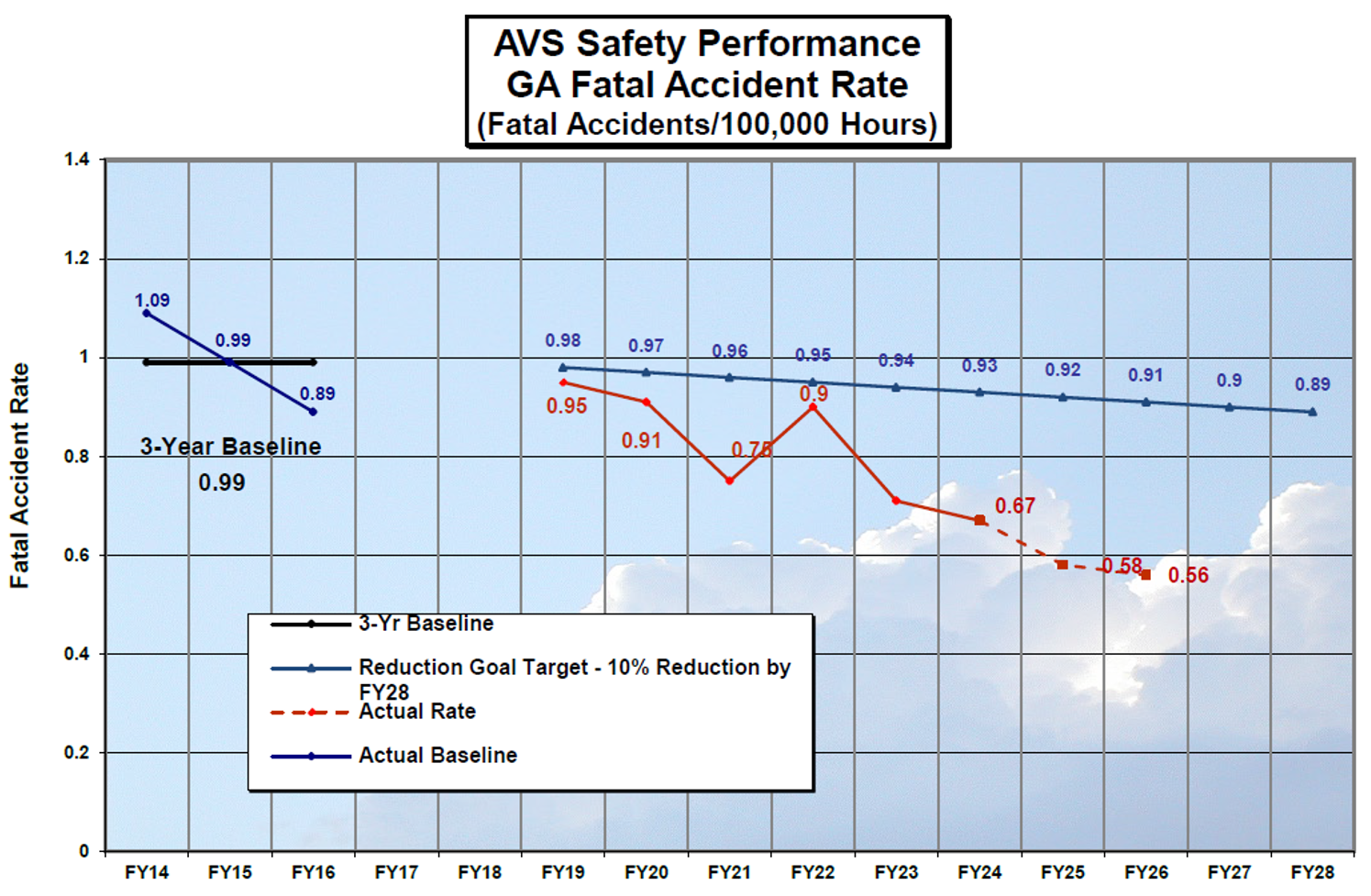
Here's a look at the GA fatal accident rate for fiscal year (FY) 2026. As you can see in the chart here, we ended FY26 at 0.56 accidents per 100,000 flight hours, well below the yearly reduction target of 0.91.
|
|
For more details, see the Pareto chart on general aviation fatal accidents, which can be customized to display a specific date range of accident data and sort results by aircraft classification, FAR part, operational category, and accident category.
|
|
|
|
|
|
Recent FlySafe Topics of the Month Include AAM, Medication Use
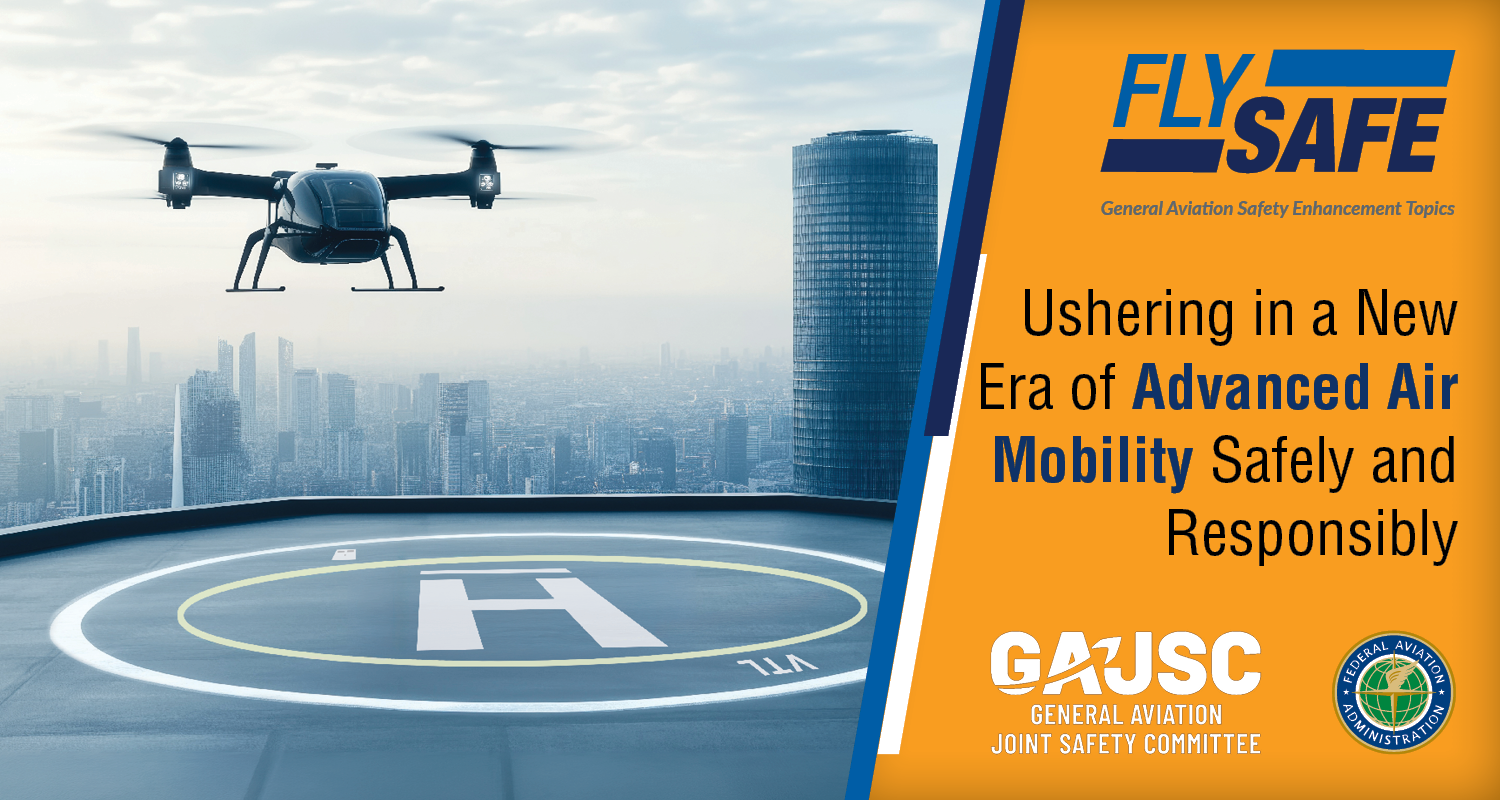
The September 2026 FlySafe topic of the month covered Advanced Air Mobility (AAM), an umbrella term for aircraft that are typically highly automated, electrically powered, and have vertical take-off and landing capability.
|
|
|
|
|
|
FlySafe topics are monthly outreach focus areas designed to support and promote the GAJSC's data-driven safety mitigation strategies, or Safety Enhancements.
|
|
|
|
|
|
New Pilot Minute Video Covers Mental Health and Aviation Safety
|
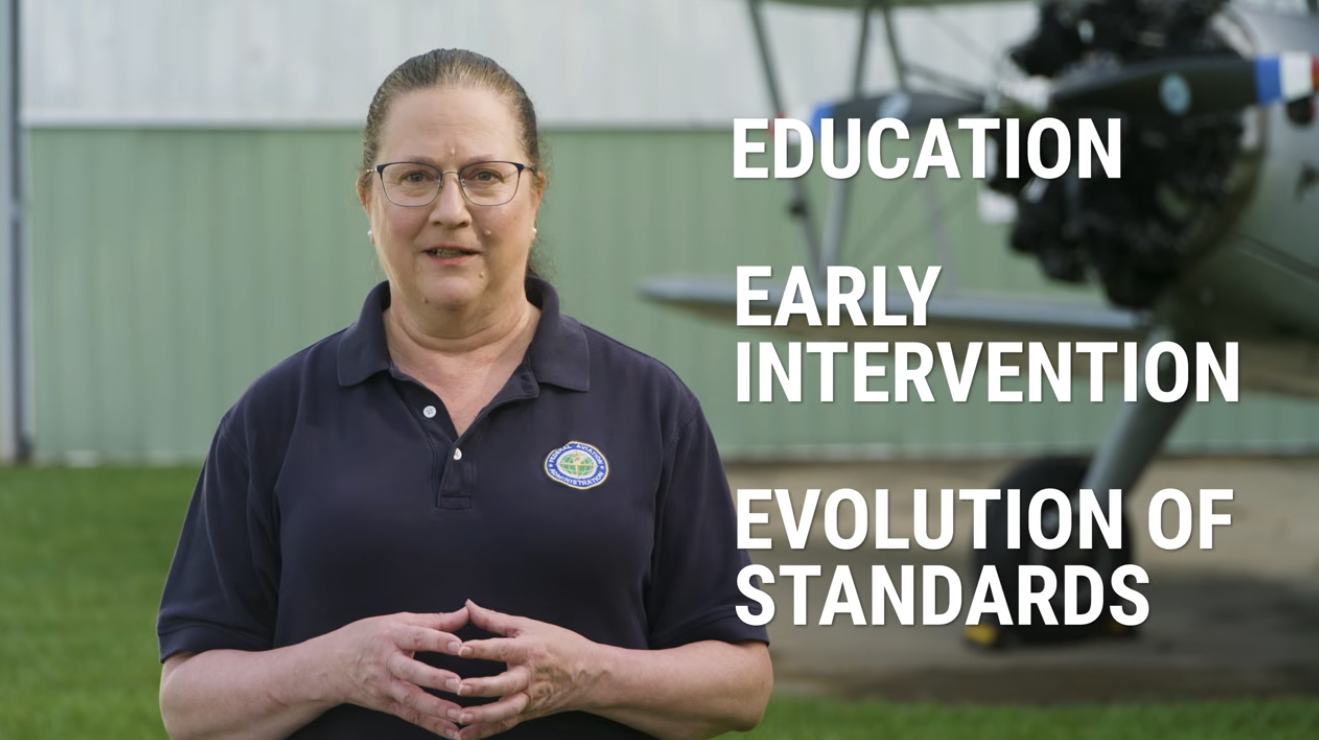
In the latest episode of Pilot Minute video series, Federal Air Surgeon Susan Northrup, MD, MPH, explains the importance of mental health, how it impacts overall aviation safety, and steps pilots can take to get the care and support they need. Dr. Northrup also explains how the FAA's approach is built around the 3 E's: Education, Early intervention, and the Evolution of standards. Together these three principles help create a safer and healthier aviation community. Watch the video here.
|
|
|
|
|
|
|
|
From the Flight Deck Live:
A Situational Awareness Workshop
|
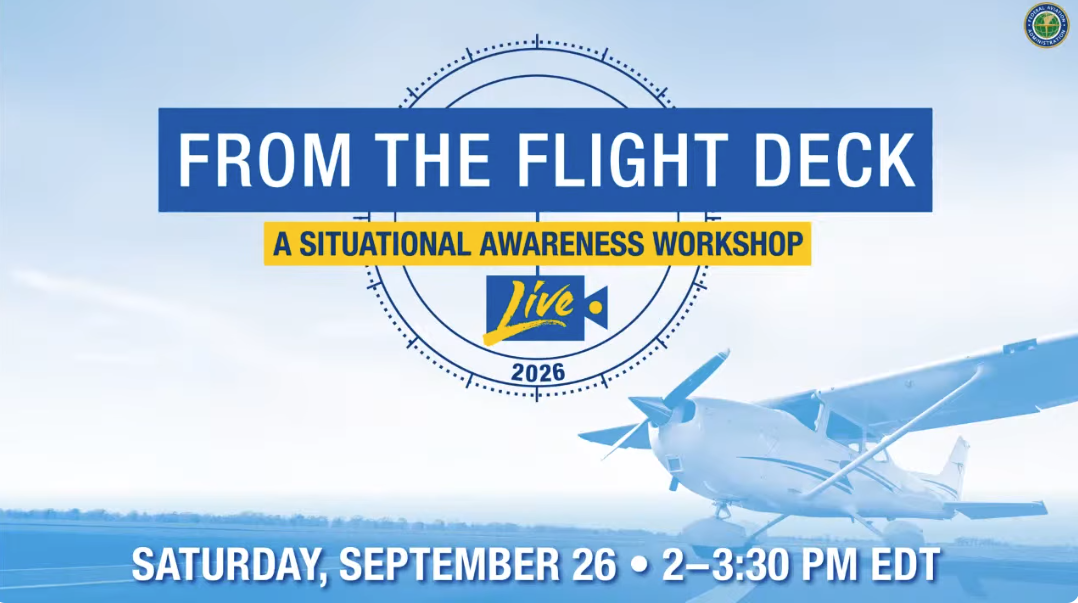
On Sep. 26, 2026, the FAA hosted a From the Flight Deck Live Situational Awareness Workshop where panelists explored strategies to recognize and prevent 'Safety Drift' — the gradual, unintentional deviation from safe operating practices. You can still watch the event here as well as earn WINGS credit. For more on the From the Flight Deck video series and other runway safety products, go to faa.gov/flight_deck.
|
|
|
|
|
|
|
|
|
|
General Aviation Award Nominations Due by Nov 30
|
|
|

|
|
|
|
|
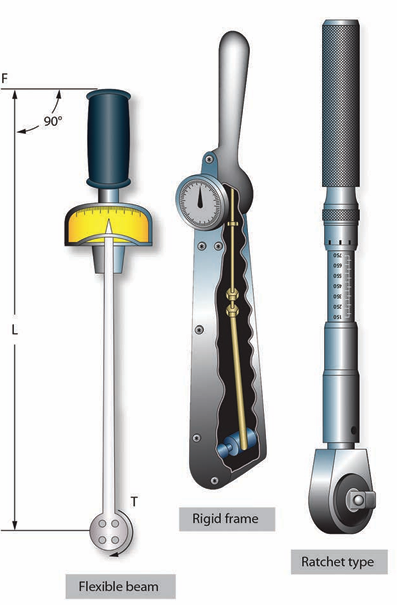
Safety Enhancement Spotlight — Mitigating the Risk of Improper Torquing
The GAJSC analyzes general aviation (GA) safety data to develop intervention strategies to prevent or mitigate problems associated with accident causes, called Safety Enhancements (SE). These SEs may include procedures, training, and equipment installations that, when implemented, may reduce the likelihood of accidents in the future.
|
In this issue of FlySafe Flyer, we'd like to introduce SE 35 - Mitigating the Risk of Improper Torquing.
|
Among the objectives with this SE is to educate the maintenance community about the risk caused by improper torquing techniques and to determine if there are potential technology solutions for new and legacy aircraft that can cost effectively be implemented to eliminate or mitigate the risk of improper torquing.
|
Here are a few good resources that emphasize the importance of this SE:
|
|
Please see the GAJSC SE page here for more information.
|
|
|
|
|
|
|
GAJSC Member Profile — Civil Air Patrol
The Civil Air Patrol is a congressionally chartered, federally funded, 501(c)(3) nonprofit corporation serving as the civilian auxiliary of the United States Air Force. Founded on Dec. 1, 1941, CAP was established to mobilize the nation’s civilian aviation resources for national defense service. Today, CAP has evolved into a premier public service organization and a cost-effective force multiplier supporting Air Force-assigned missions nationwide. Operating in all 50 states, Puerto Rico, the U.S. Virgin Islands, and the District of Columbia, CAP serves communities through emergency services, aerospace education, cadet leadership development, and volunteer service.
|
See the CAP website for more information. See here for a list of all GAJSC partners.
|
|
|
|
|
|
|
|
Thanks for reading and #FlySafe!
|
|
Partners in Aviation Safety
|
|
|
|
|
We need your feedback! Please tell us what you think.
|
|

|
|
|
|